

The Interior Design Trends That Will Define 2026
Warm minimalism, sculptural forms, and the quiet return of emotion in interiors.
Interior design is entering a richer, more grounded chapter. The cool austerity that shaped much of the past decade is giving way to warmth, tactility, and a renewed connection to materials that feel honest. Industry forecasts for 2026 reveal a strong convergence: interiors are becoming deeply atmospheric, thoughtful, and quietly luxurious.
Here is what will shape the year ahead and why these trends feel less like passing tendencies and more like the foundations of timeless design.
1. Warm Minimalism Becomes the New Luxury

Photo: Interior vision by Studio Andriotis
Minimalism remains, but its temperature changes.
2026 embraces a palette of nuanced neutrals: ecru, mushroom, desert beige, soft terracotta, and tobacco brown.
These tones replace the cold greys and stark whites that once dominated contemporary interiors.
The philosophy behind this shift is simple: people are craving spaces that feel restorative. Warm minimalism offers clarity without sterility, sobriety without severity.
It’s the new language of understated elegance.
2. Sculptural Silhouettes Take Center Stage
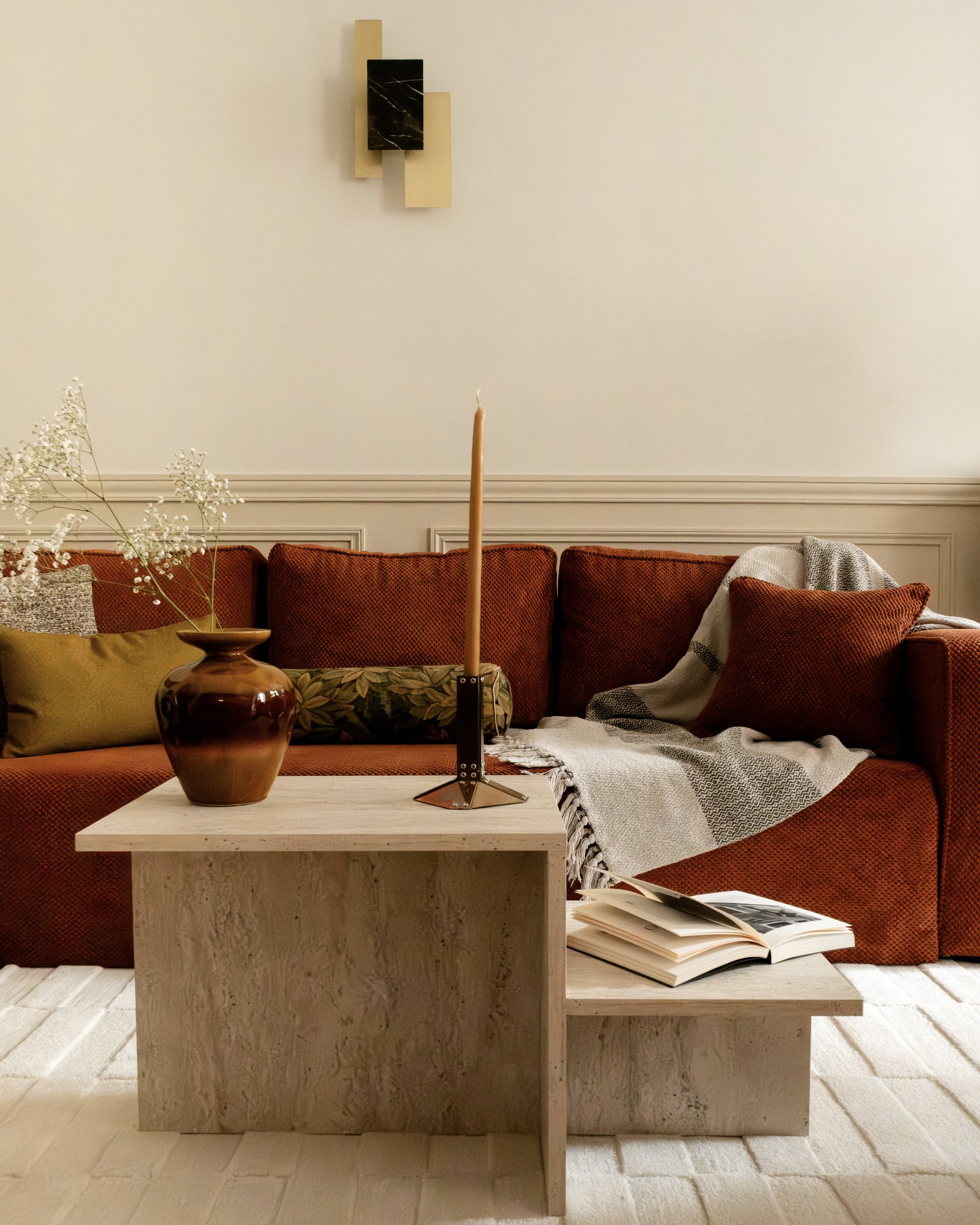
Photo: Project Opéra by Studio Andriotis
Furniture becomes architecture.
Expect:
generous, enveloping curves
monolithic coffee tables
carved wood pieces
fluid stone forms
voluminous sofas with soft, organic profiles
This “soft monumentality” responds to a desire for presence and permanence. Each piece acts as an anchor; a focal point that grounds a room with intention.
In 2026, a single sculptural object often replaces a collection of decorative fragments. Quality over accumulation.
3. Living Close to the Ground
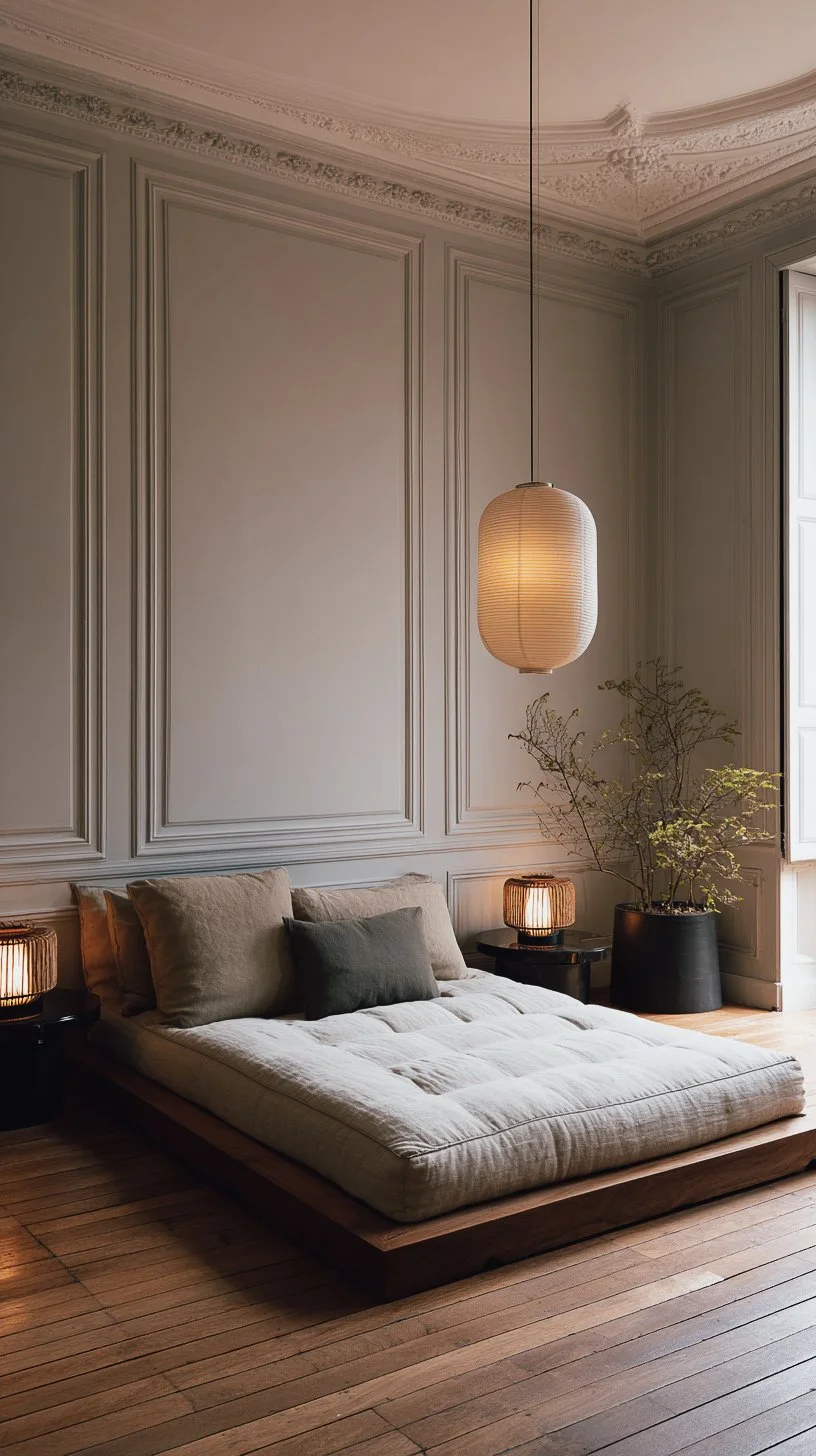
Photo: Interior vision by Studio Andriotis
Influenced by Japandi, wabi-sabi, and slow living, interiors shift toward lower proportions.
Platform beds, tatami-inspired frames, low sofas, and floor-level reading nooks create a sense of intimacy and calm.
Lower silhouettes visually enlarge a space, stretch ceiling height, and make rooms feel more meditative.
It’s a subtle way to bring serenity into everyday life.
4. The Quiet Return of Natural Gloss
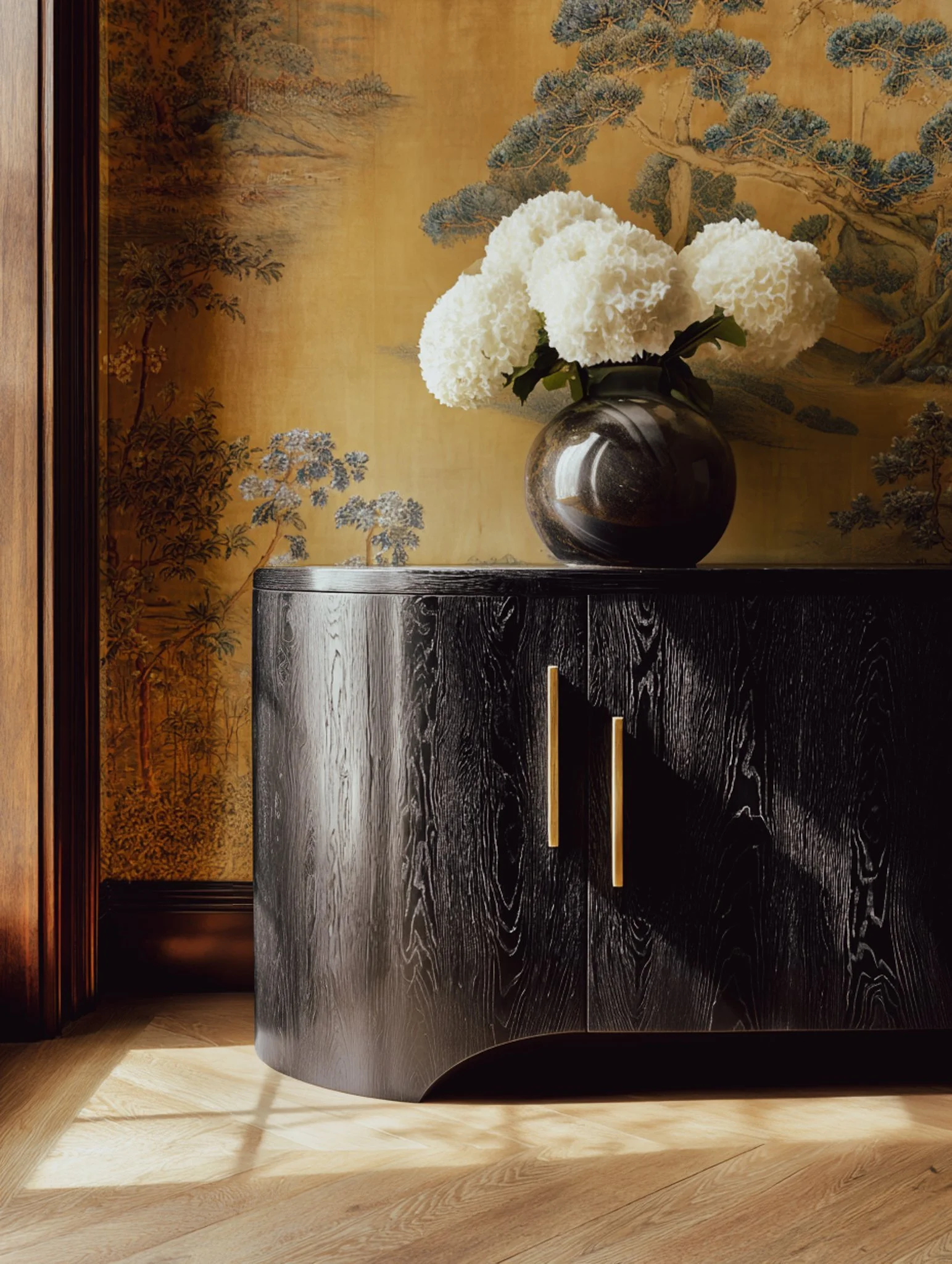
Photo: Interior vision by Studio Andriotis
After years of ultra-matte finishes, 2026 introduces a soft, natural sheen.
Not lacquer. Not shine. A quiet luminosity.
Think:
waxed walnut with gentle reflection
brushed aluminum that catches light softly
honed travertine with a slight glow
clay or lime plaster polished by hand
This finish adds depth and sophistication while maintaining a grounded feel. It’s luxury that whispers.
5. Hospitality Meets Home
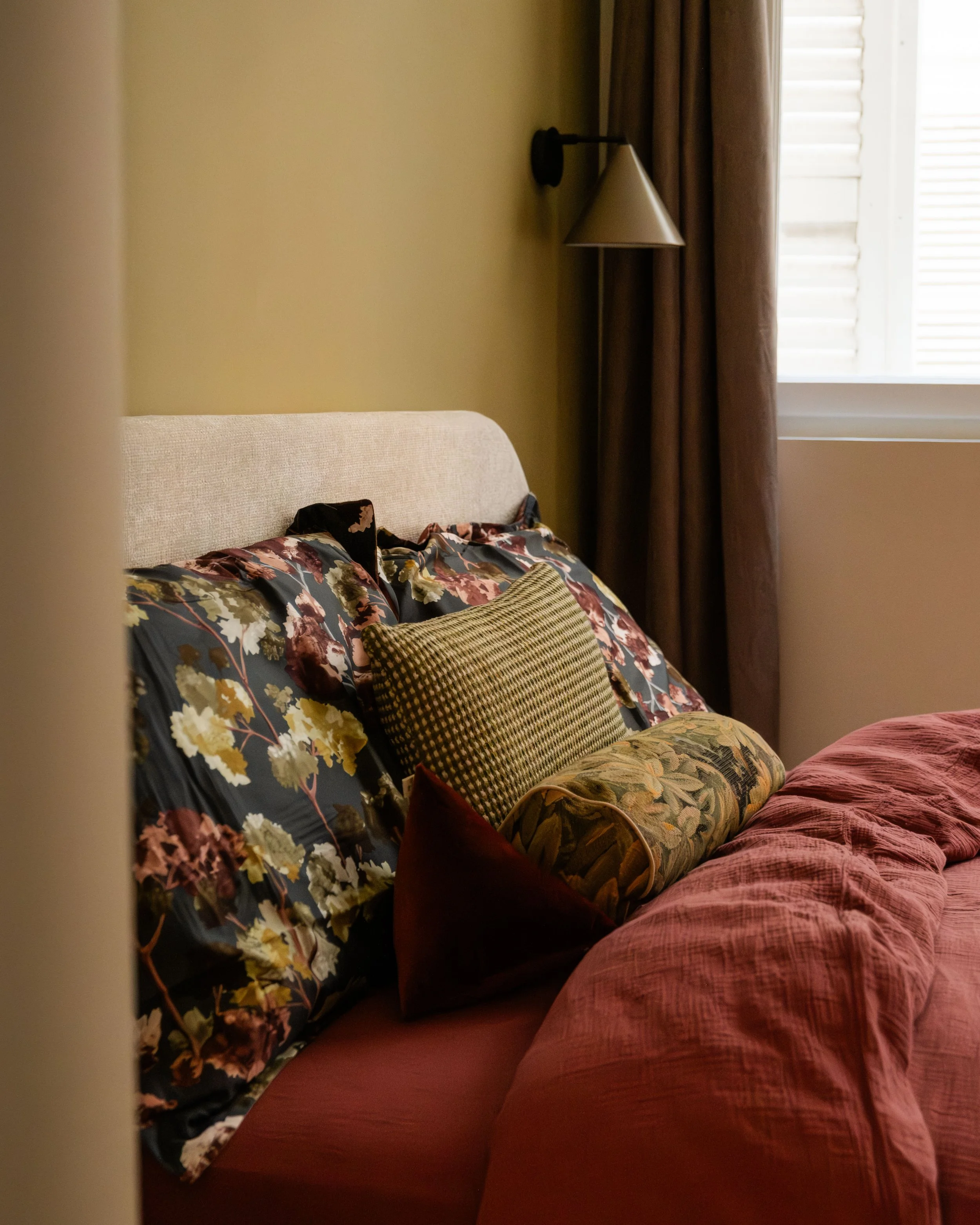
Photo: Project Opéra by Studio Andriotis
2026 homes borrow sensibilities from boutique hotels:
atmospheric lighting
sculptural bedside lamps
layered textiles
rich upholstery
thoughtful transitions between spaces
Even compact apartments increasingly borrow cues from boutique hotels, especially in the bedroom. Thoughtful touches such as layered bedding, sculptural bedside lighting, soft ambient dimmers, and curated textile combinations create a cocoon-like atmosphere.
The message is clear: everyday life deserves beauty.
6. Intelligent Space Planning for Urban Living

Photo: Interior vision by Studio Andriotis
In global cities, living spaces are shrinking while expectations are rising.
2026 interior design responds with:
sliding partitions
concealed storage
smart cloisons
hybrid rooms
integrated lighting tracks
modular furniture
The goal is adaptability without compromising aesthetics. Homes that transform with their owners.
7. The Warm Office Renaissance
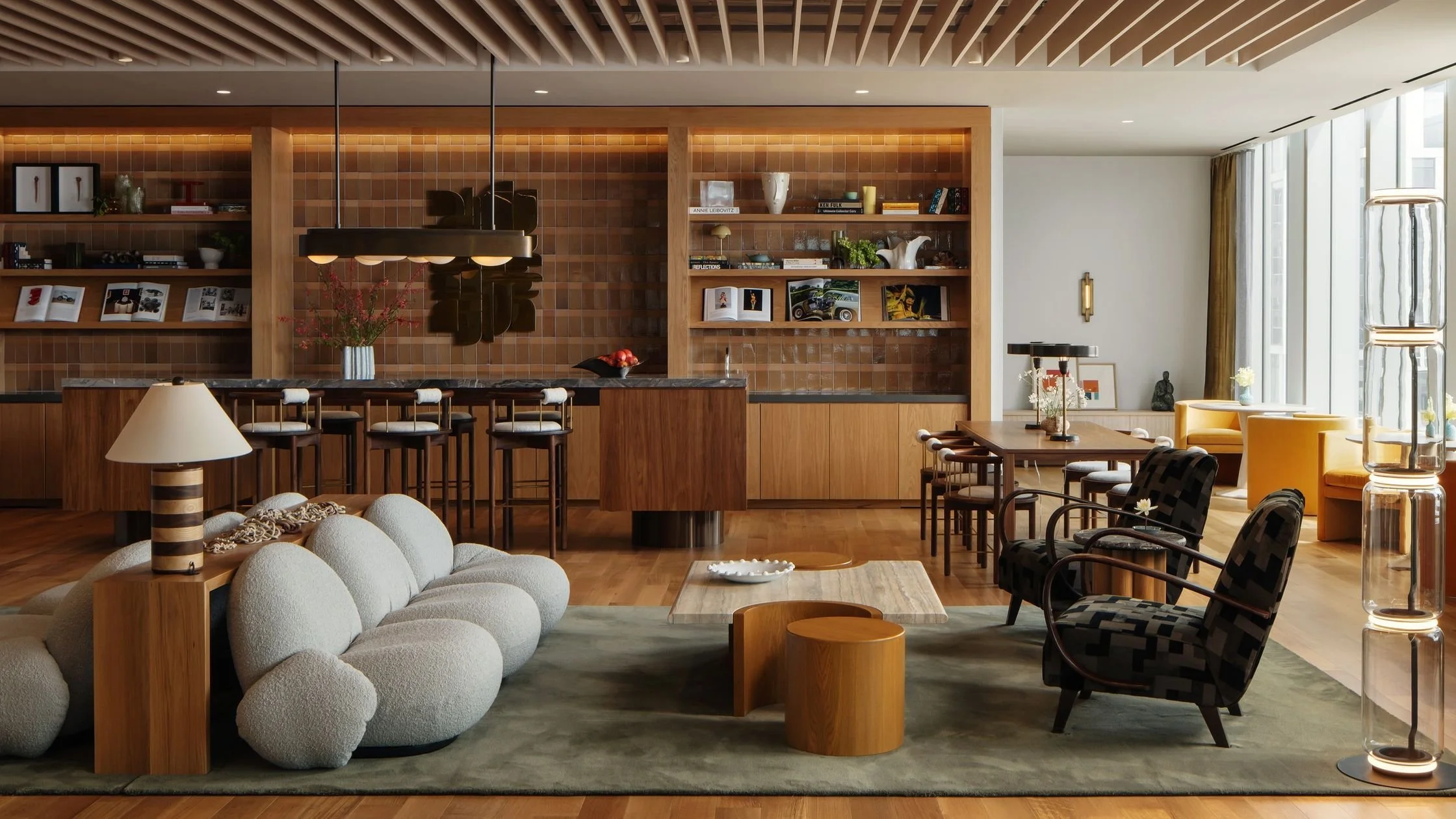
Photo: Chase Daniel / Beacon Capital Partners
The workplace evolves again — this time toward comfort, tactility, and informality.
Offices in 2026 feature:
soft neutral palettes
sculptural meeting tables
modular seating for fluid conversations
textile-rich acoustic solutions
warm, diffused lighting
Corporate identity becomes more architectural, integrated through materials rather than logos. The result: workspaces that encourage focus, creativity, and a sense of belonging.
8. The Return of Artisanal Craft
2026 places a renewed emphasis on the handmade. In an era of mass production, clients are increasingly drawn to objects shaped by human touch — pieces with soul, intention, and a story.
This movement embraces:
hand-worked wood with visible grain and nuance
sculpted stone that celebrates natural variation
textured ceramics with organic irregularities
bespoke lighting crafted in small ateliers
woven textiles that carry the signature of the maker
artisanal metalwork, such as brushed steel, patinated bronze, hand-forged iron, or softly weathered copper
artisanal vitrail work, revisited through contemporary design codes
Vitrail, in particular, is experiencing a quiet revival. Not in its traditional ornamental form, but reimagined with modern geometry, muted tones, and architectural clarity. Its subtle play of transparency and depth adds a poetic layer to interiors; a handcrafted element that shifts with light, mood, and time of day.
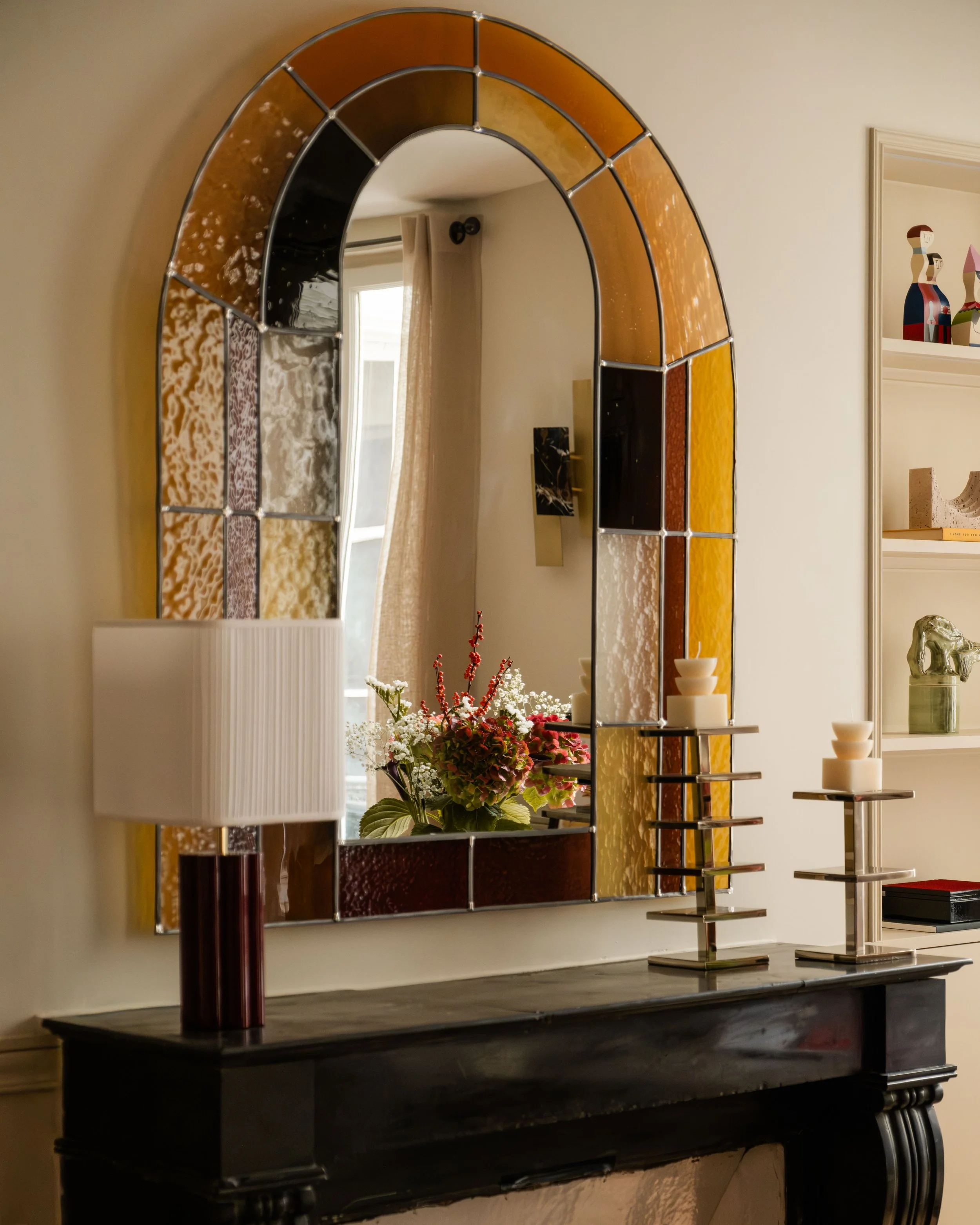
Project Opéra by Studio Andriotis — Artisanal Vitrail Mirror
A contemporary reinterpretation of Art Deco vitrail, handmade by Arnault Janvier. Its geometric composition and muted tones exemplify the return of authentic, bespoke craftsmanship in modern interiors. Photo: Project Opéra by Studio Andriotis
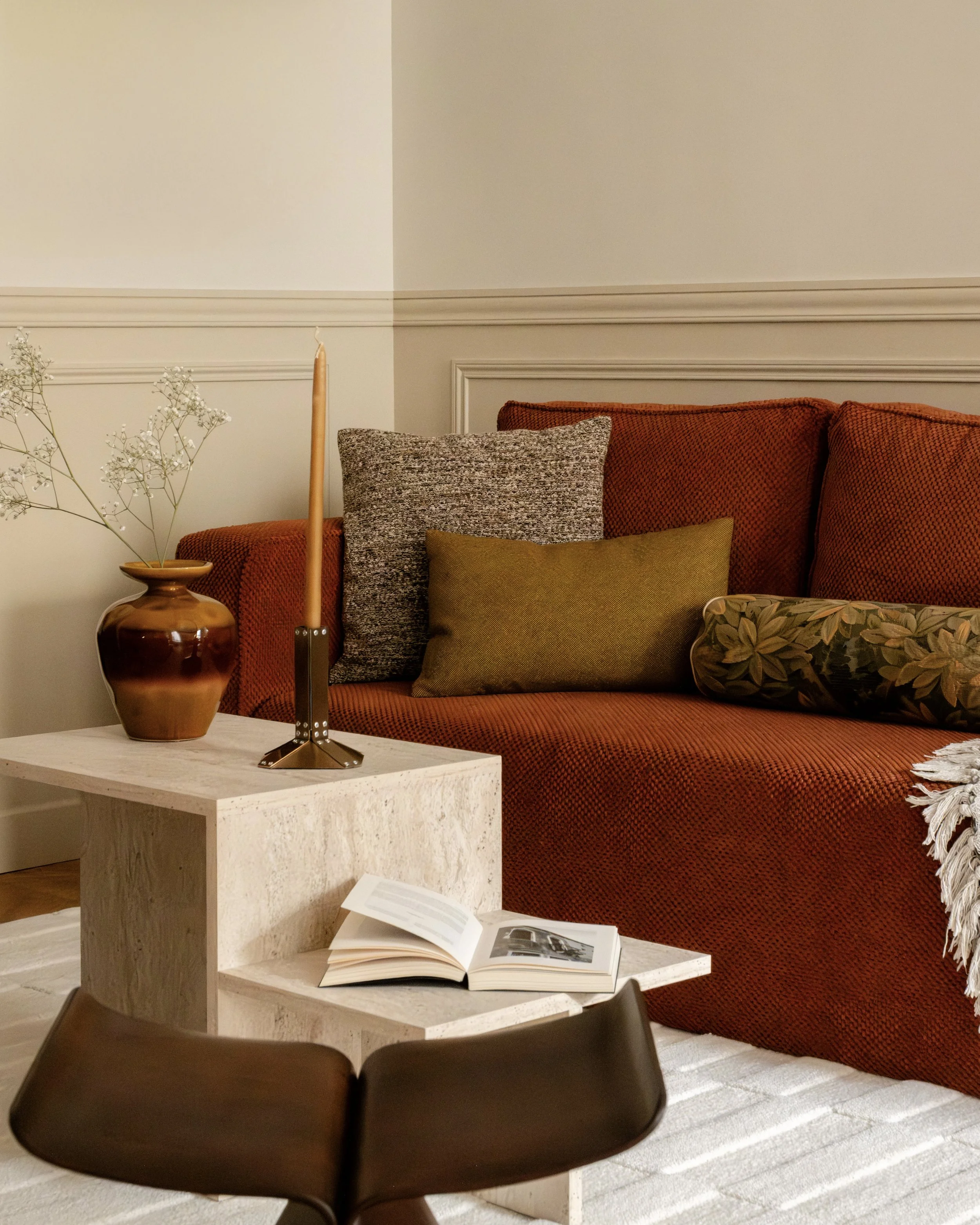
Project Opéra — Copper Candleholder by Theo Galliakis
A sculptural candleholder in softly weathered copper, crafted by hand. Its tactile patina and warm metallic depth capture the essence of modern artisanal metalwork — expressive and quietly luxurious. Photo: Project Opéra by Studio Andriotis
The appeal of artisanal craft today lies in authenticity. These pieces age gracefully, invite touch, and bring emotional depth to a space. In 2026, craftsmanship is not a detail; it is the new expression of luxury.
9. Texture Takes Precedence Over Pattern
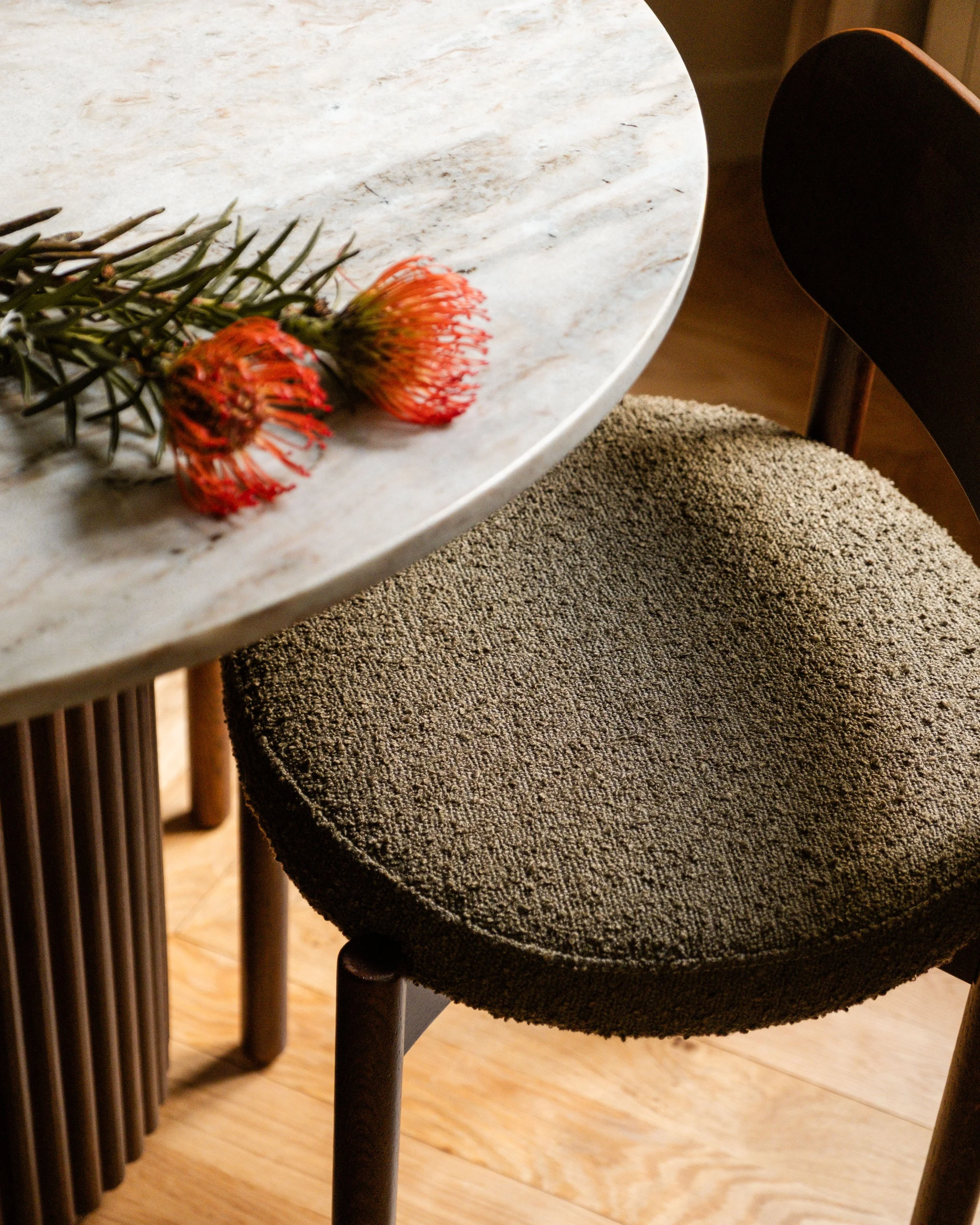
Photo: Project Opéra by Studio Andriotis
Texture becomes the primary decorative language of 2026.
Bouclé evolves into new forms: ribbed wool, heavy linen, raw silk, bamboo blends, stonewashed cotton.
Walls gain depth through lime plaster, tadelakt, micro-cement, or textured paint.
This is the era of tactile luxury. Interiors designed to be felt, not only seen.
10. Beyond Trend Cycles: A Return to Timelessness
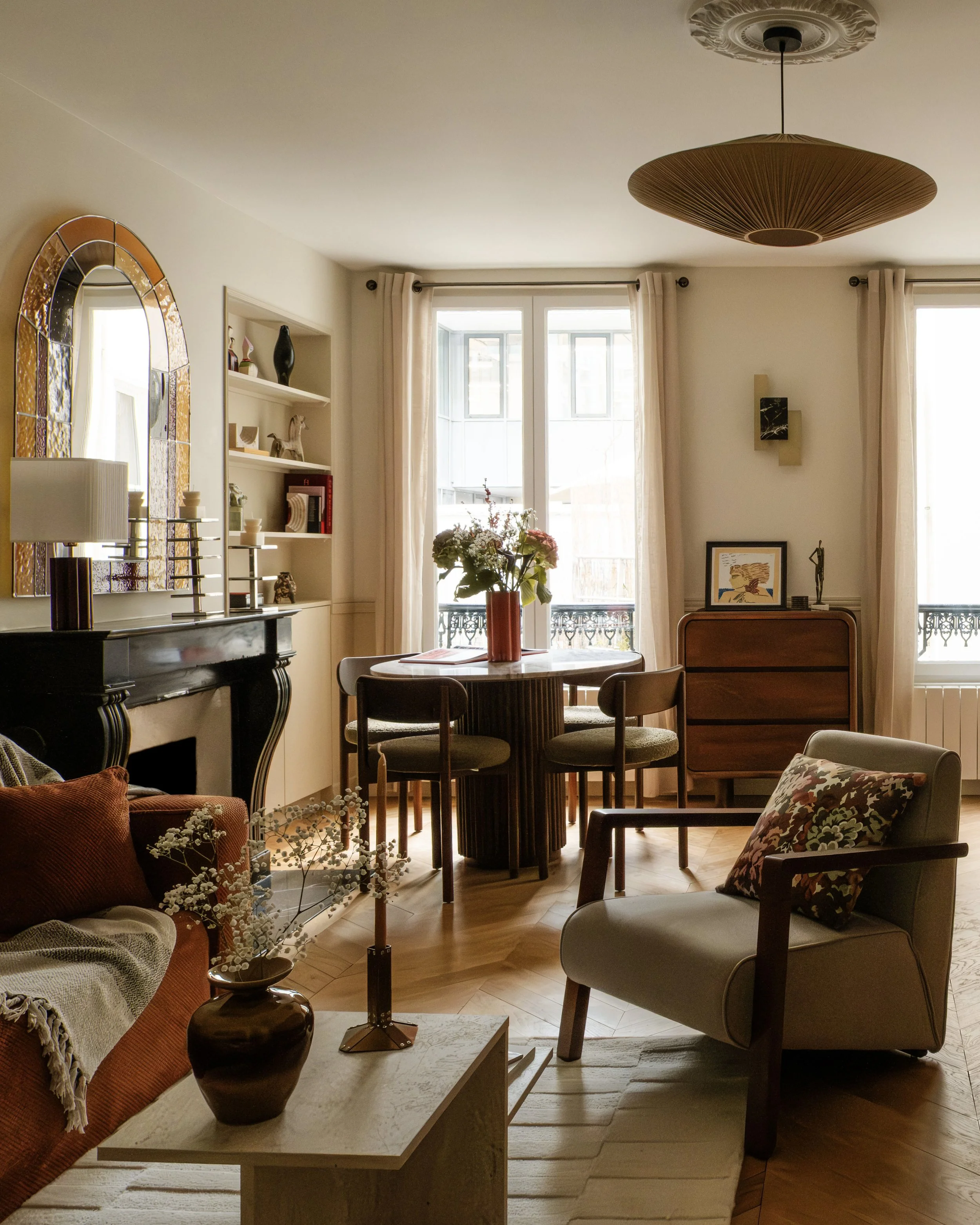
Photo: Project Opéra by Studio Andriotis
Perhaps the most meaningful shift of all: A collective desire for permanence.
Clients are increasingly drawn to interiors that last; materially, aesthetically, and emotionally.
They want pieces that age well, rooms that evolve, and homes that support the rhythm of real life.
In One Sentence
Design in 2026 is warm, sculptural, and deeply human; a celebration of texture, authenticity, and the quiet poetry of well-made spaces.
Looking Ahead
If you’re considering a transformation in 2026, we would be delighted to help you craft a space that feels timeless, grounded, and uniquely yours.
Photo credits for Project Opéra: Lionel Chu